Diverse Tarot Reading Techniques: A Journey Through the Cards
- Margo Lynn

- 54 minutes ago
- 4 min read
In the quiet hush of twilight, when the world softens and the soul stirs, tarot cards become more than mere paper and ink. They transform into a sacred mirror, reflecting the whispers of your inner landscape. As you shuffle the deck, you invite the universe to dance with your destiny, weaving stories of hope, challenge, and transformation. Today, I invite you to explore with me the diverse tarot reading techniques that can illuminate your path, each one a unique melody in the symphony of spiritual insight.
Embracing the Spectrum of Tarot Reading Techniques
Tarot reading is an art as varied as the stars scattered across the night sky. Each technique offers a different lens through which to view your questions and concerns, inviting you to engage with the cards in a way that resonates deeply with your spirit. From the simplicity of a single card draw to the intricate choreography of multi-card spreads, these methods are tools for connection, reflection, and revelation.
One of the most accessible techniques is the single card draw. This method is like a gentle breeze, offering a focused message or theme for the day. It’s perfect when you seek clarity on a specific question or need a quick dose of guidance. Simply shuffle your deck, breathe deeply, and draw a card. Let its imagery and symbolism speak to your heart.
For those who crave a broader perspective, the three-card spread unfolds like a story in three acts: past, present, and future. This technique allows you to trace the threads of your journey, understanding how past experiences shape your current moment and hint at what lies ahead. It’s a dance of time, inviting you to see the flow of your life with compassionate eyes.

The Celtic Cross spread is a classic, intricate method that offers a comprehensive snapshot of your situation. With ten cards arranged in a cross and staff formation, it explores your challenges, hopes, external influences, and potential outcomes. This spread is like a tapestry, weaving together the many threads of your life into a coherent whole.
What is the best way to do a tarot reading?
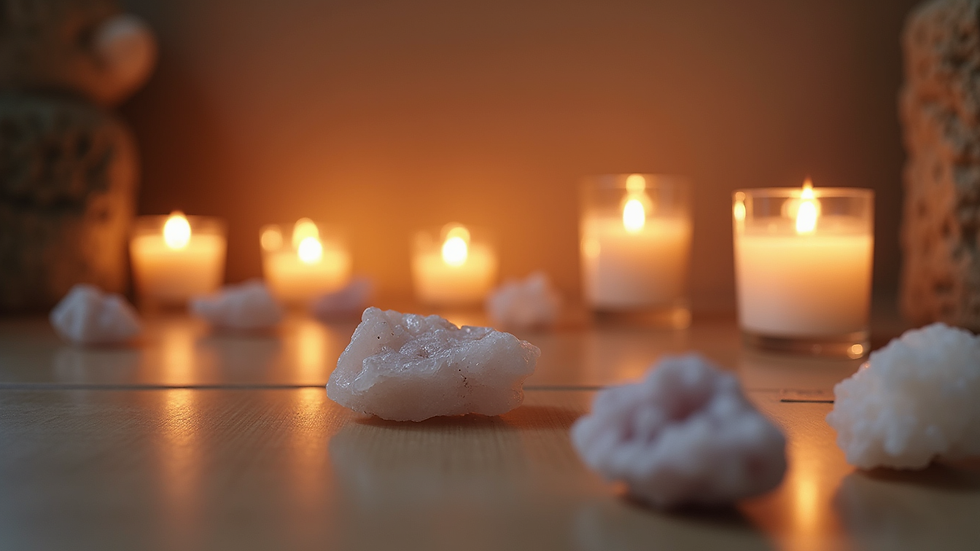
The best way to do a tarot reading is the one that feels most authentic and intuitive to you. There is no one-size-fits-all approach because tarot is a deeply personal practice. Begin by creating a sacred space - perhaps with soft lighting, gentle incense, or calming music - to invite a sense of peace and focus. Ground yourself with a few deep breaths, centering your mind and heart.
When you shuffle the cards, do so with intention, allowing your hands to connect with the deck as if you are stirring the energies of the universe. Ask your question clearly, either aloud or silently, and trust the cards to reveal what you need to know. Remember, the cards are guides, not fortune-tellers; they offer insight, not absolute answers.
Experiment with different spreads and notice which ones resonate with your energy. Some days, a simple card will suffice; other times, a more complex layout will unveil the layers beneath your query. Trust your intuition to guide your choice, and don’t be afraid to create your own spreads that speak to your unique journey.
Exploring Intuitive and Creative Tarot Reading Techniques
Beyond traditional spreads, tarot invites you to explore more intuitive and creative methods that deepen your connection to the cards. One such technique is the storytelling spread, where you draw several cards and weave them into a narrative. This approach transforms the reading into a poetic journey, allowing your imagination and intuition to dance freely.
Another enchanting method is the elemental spread, which aligns cards with the four classical elements - earth, air, fire, and water. This technique helps you explore different facets of your life, such as stability, thoughts, passion, and emotions, through the elemental lens. It’s a beautiful way to balance your reading and gain holistic insight.
For those who enjoy a tactile and meditative experience, the card meditation technique invites you to select a card and spend time with its imagery. Observe the colors, symbols, and feelings it evokes. Let the card become a portal to inner reflection, guiding you gently toward clarity and calm.

Integrating Tarot with Other Spiritual Practices
Tarot does not exist in isolation; it harmonizes beautifully with other spiritual practices, enriching your journey of self-discovery. Many find that combining tarot with journaling amplifies the insights gained from a reading. After drawing your cards, write down your impressions, feelings, and any intuitive messages. Over time, this practice creates a sacred archive of your evolving wisdom.
Another powerful pairing is tarot with meditation. Before or after a reading, meditate on the card or spread to deepen your understanding. This quiet contemplation allows the subtle messages of the cards to settle into your consciousness, fostering a sense of peace and empowerment.
Some soul-seekers incorporate crystals into their tarot practice, placing stones like amethyst, rose quartz, or clear quartz around their reading space. These crystals can enhance your intuitive connection and create a protective, nurturing environment for your spiritual work.
Inviting the Cards to Guide Your Path
As you explore these diverse tarot reading techniques, remember that the cards are your companions on a journey of discovery. They invite you to listen with your heart, to trust the whispers of your intuition, and to embrace the unfolding story of your life with courage and grace. Whether you seek answers, comfort, or inspiration, the tarot offers a sacred space where your soul can speak and be heard.
May your hands be steady, your spirit open, and your heart full as you embark on this luminous path. The cards await your touch, ready to reveal the mysteries that lie within and beyond.
If you wish to delve deeper into the world of tarot reading methods, may this guide serve as a gentle beacon, lighting your way toward clarity and quiet transformation.


Comments